
Navigating Global Supply Chains: Finding the Right Nearshore Manufacturing Partner
Discover how to mitigate risk and optimize costs by selecting the right nearshore manufacturing partner. Learn proven strategies for building a resilient global supply chain.

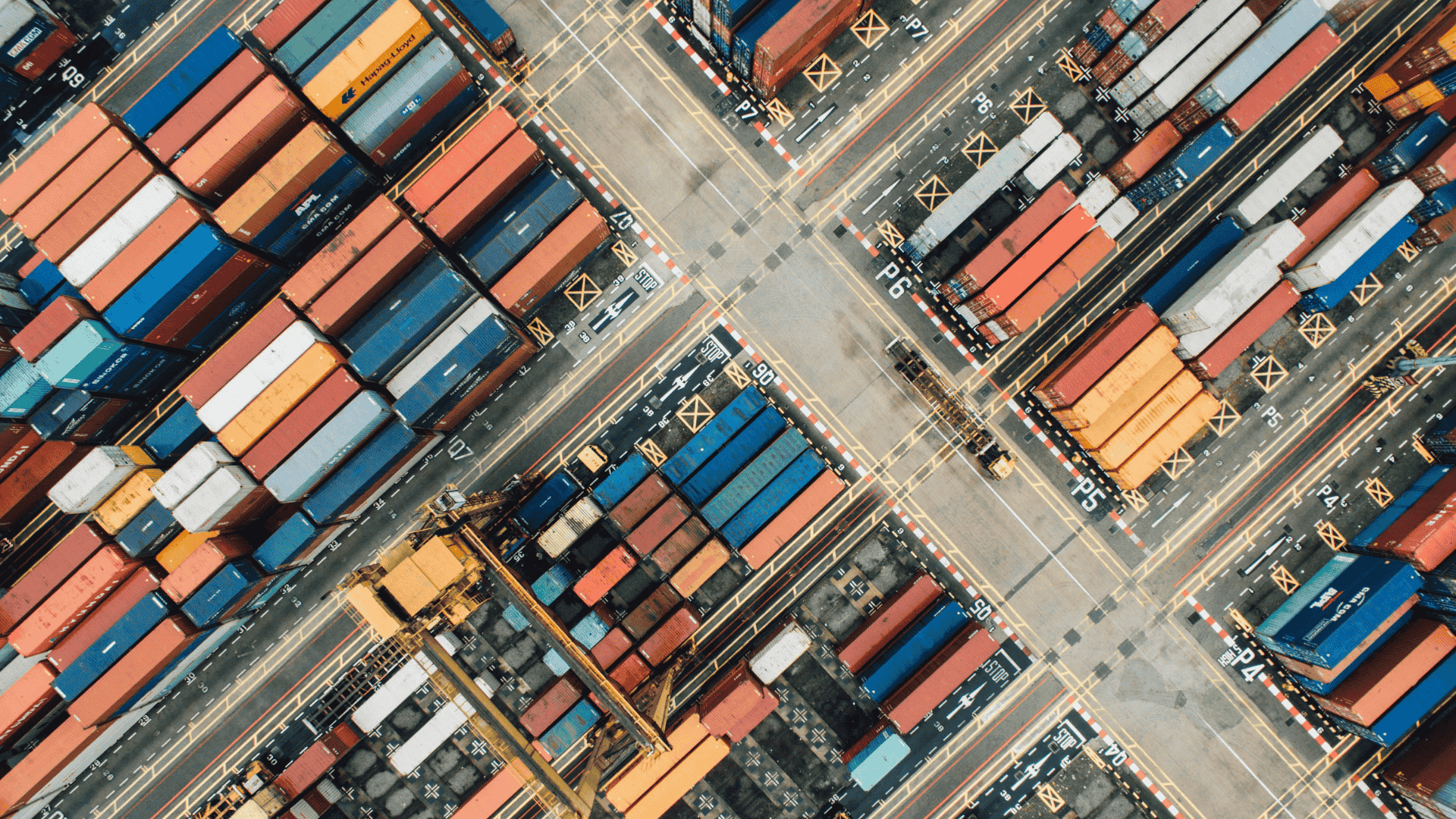

In today's highly competitive and increasingly volatile business environment, choosing the right nearshore manufacturing partner is a pivotal operational decision. Operations executives and procurement leaders are dealing with rising overseas freight costs, unpredictable transit times, and complex geopolitical shifts. Consequently, bringing production closer to home has transitioned from a theoretical discussion to an immediate strategic priority. However, selecting a partner in a neighboring region is not a guaranteed fix for supply chain woes. It requires careful consideration, rigorous vetting, and an uncompromising commitment to quality.
When you align your business with a capable and trusted nearshore manufacturing partner, you unlock significant operational agility. You position your company to meet fluctuating market demands while maintaining stringent cost controls. At Value Source Global, we understand the distinct complexities involved in integrating a new manufacturing facility into your existing supply chain. From navigating subtle cultural disparities and logistical hurdles to enforcing strict quality compliance, every phase demands operational expertise. In this comprehensive guide, we will explore the realities of nearshoring and explain how a properly structured partnership can drive sustainable, long-term growth for your enterprise.
TL;DR – Quick Takeaways
- Strategic alignment matters more than unit price. Evaluating Total Cost of Ownership prevents hidden logistical and operational expenses.
- Rigorous quality assurance is non-negotiable. A successful partnership requires transparent audits and seamlessly integrated quality control processes.
- Proactive risk mitigation ensures reliability. Building a resilient supply chain requires scenario planning to buffer against localized disruptions and regulatory changes.
Why Do Companies Struggle With Nearshore Manufacturing Transitions?
Partnering with a nearshore manufacturing partner can yield substantial benefits. Companies often experience reduced lead times, lower transportation expenditures, and improved communication simply due to geographical proximity and aligned time zones. Yet, transitioning production is fraught with significant challenges. When businesses rush the selection process or treat their new manufacturing facility as a simple transactional vendor, they encounter obstacles that can severely damage their brand and bottom line.
One prevalent issue is the misalignment of quality standards. Consider a technology company that decides to transition the production of sensitive electronic components to a nearshore partner. If that partner lacks the nuanced practices necessary for high-specification components, the company immediately faces severe quality deficits. Without strict oversight and early intervention, defective products can flood the market. This not only tarnishes the brand's reputation but also results in costly product recalls and wasted materials. Quality is never accidental; it's the result of deeply integrated systems.
Furthermore, despite closer geographical proximity, cultural disparities and communication gaps frequently hinder collaboration. A domestic fashion label partnering with a fabrication unit across the border might encounter misunderstandings stemming from differing business etiquettes, holiday schedules, or technical translation errors. These invisible barriers can delay crucial project timelines. In the fast-paced retail sector, missing a seasonal launch window translates directly into lost market share and significant financial losses.
It's also important to acknowledge that nearshoring doesn't inherently eliminate supply chain risks. It simply shifts the nature of those risks. For example, a home appliance manufacturer might depend on a partner located in a coastal region prone to extreme weather events. If unexpected weather halts production and destroys inventory, the manufacturer faces severe supply shortages. Without a robust risk mitigation strategy and secondary backup plans, regional disruptions lead directly to unmet consumer demand.
Another major challenge emerges when a nearshore manufacturing partner lacks specific industry expertise or struggles to adapt to evolving regulatory requirements. A pharmaceutical company outsourcing packaging operations might find their regional partner failing to comply with new, stringent international health standards. This oversight creates massive legal liabilities. Inadequate preparation when managing nearshore operations has cascading effects on your financial performance. Businesses end up facing excessive downtime and deteriorating relationships with end consumers, stymieing the speed-to-market advantages they initially sought.
What Strategies Ensure A Successful Nearshore Transition?
Strategically navigating these regional challenges involves robust initial planning, relentless oversight, and an unwavering focus on operational realities. Building a reliable supply chain network requires more than just signing a favorable contract. Businesses must implement comprehensive vetting processes for all potential partners, enforce stringent quality control measures from day one, and establish clear, standardized communication channels.
Significant improvements in production stability occur when companies adopt a holistic approach. Building a robust selection framework that incorporates rigorous risk assessment helps mitigate unforeseen circumstances. According to resources from the Association for Supply Chain Management (ASCM), building a resilient supply network necessitates continuous scenario planning and an objective evaluation of supplier capabilities. You must evaluate potential partners on multiple criteria, including their internal quality assurance processes, detailed cost structures, technological compatibility, and overall financial health. Investing in relationship management, such as conducting regular on-site audits and organizing cross-cultural training, fosters mutual understanding.
Awareness and prudence remain crucial. By acknowledging potential pitfalls early in the sourcing phase, procurement leaders can orchestrate mutually beneficial relationships. When you elevate your strategic approach and focus on long-term outcomes rather than short-term piece-price savings, you transform a simple vendor into a pivotal asset within your broader supply chain ecosystem.
What Are The Key Qualities To Look For?
Identifying the correct facility requires looking past marketing brochures and examining raw operational data. We recommend focusing on a few distinct pillars of manufacturing competence.
- Rigorous Quality Assurance Systems: A commitment to consistent, documented quality control.
- Transparent Communication Protocols: Clear, timely, and honest reporting of production realities.
- Proven Scalability and Capacity: The physical and financial ability to grow alongside your demand.
- Geopolitical and Logistical Stability: A secure regional location with reliable infrastructure.
- Deep Technical Expertise: Specialized knowledge relevant to your exact product specifications.
https://valuesourceglobal.com/value-generation — Optimize production and reduce supply chain risk with our embedded manufacturing expertise.
Rigorous Quality Assurance Systems
When evaluating a nearshore manufacturing partner, you have to look closely at how they handle daily discrepancies. A reliable partner doesn't just promise good products; they have the systems in place to guarantee them. You need to verify their adherence to international standards like ISO certifications and scrutinize their approach to First Article Inspections. It's crucial that their quality management systems integrate seamlessly with your internal compliance requirements. If a factory floor lacks proper statistical process control, small variations will eventually compound into massive defect rates.
Transparent Communication Protocols
Distance, even when minimal, can obscure operational realities. A successful manufacturing relationship relies on absolute transparency. This means having shared Enterprise Resource Planning systems, weekly production reports, and a mutual understanding that bad news must travel fast. Your nearshore manufacturing partner should be proactive in communicating potential delays or raw material shortages. When communication protocols are formalized, you eliminate the guesswork and can adjust your downstream logistics accordingly.
Proven Scalability and Capacity
Your business isn't static, and your manufacturing partner shouldn't be either. Selecting a partner who can handle your current order volume is only the first step. You must assess their machine utilization rates, their ability to add additional working shifts, and their access to a localized, skilled labor pool. If your product suddenly goes viral or you secure a massive retail contract, your nearshore manufacturing partner must have the financial stability and floor space to scale operations without sacrificing product integrity.
Geopolitical and Logistical Stability
Proximity is useless if the local infrastructure is unreliable. You must evaluate the roads, ports, and customs efficiency of the region where the facility is located. A strong partner operates in an environment that supports consistent freight movement. Understanding the local regulatory environment, cross-border taxation rules, and labor stability helps predict long-term viability. Protecting your supply chain means ensuring that your products can physically leave the factory and cross borders without unnecessary friction.
Deep Technical Expertise
Finally, general manufacturing experience isn't enough. You need a partner with deep technical expertise relevant to your specific bill of materials. Whether you're dealing with precision metal machining, complex plastic injection molding, or intricate electrical sub-assemblies, the factory must understand your specific tolerances. A partner with a strong engineering team can also provide valuable feedback on design for manufacturability, helping you optimize the product for faster, more cost-effective production.
How Does Value Source Global Mitigate Supply Chain Risk?
At Value Source Global, we specialize in bridging the gap for companies aiming to streamline their operations through nearshore strategies. We don't view ourselves as simple brokers or transactional middlemen. We position ourselves as an embedded advisor, operating from the perspective of professionals who have spent decades running factories and managing complex global production programs. Our deep expertise enables us to craft tailored solutions that foster innovation, drive value, and protect your margins.
Our approach to finding your ideal nearshore manufacturing partner is highly methodical. We understand that shifting your supply chain is a massive undertaking, which is why our process is grounded in a structured, predictable methodology. We prioritize understanding your unique operational challenges before we ever recommend a facility. This informed approach ensures that we don't just meet your expectations; we elevate your entire operational workflow.
Recommended Product: https://valuesourceglobal.com/value-generation
Transform Your Supply Chain Infrastructure
- Operational Agility: Rapidly adapt to market changes with strategically located production facilities.
- Cost Optimization: Reduce hidden logistics costs while maintaining exceptional product quality.
- Embedded Expertise: Gain an experienced partner dedicated to long-term manufacturing success.
"Value Source Global transformed our approach to regional sourcing. They didn't just find us a factory; they built us a resilient supply chain infrastructure that immediately reduced our lead times and significantly improved our quality control."
Operations Director, Global Consumer Goods
Are You Ready To Optimize Your Production Workflow?
Solving complex supply chain problems requires more than just understanding the intricacies involved; it requires implementing practical solutions with precision and care. Choosing the correct approach to regional sourcing is crucial for achieving lasting operational results. It’s a strategic move that dictates how effectively your business can respond to future economic shifts.
At Value Source Global, we pride ourselves on our deep industry knowledge and our commitment to excellence. We ensure that every manufacturing challenge is addressed with the utmost professionalism. Our team of experts is dedicated to meticulously analyzing your specific situation and providing resilient, scalable solutions. We leverage our advanced methodologies and established networks to guarantee that your production processes run smoothly and cost-effectively.
When it comes to executing these transitions, having confidence in your partners is paramount. Our services are specifically designed to instill this confidence by ensuring that each step of the sourcing process is managed with absolute transparency. By choosing Value Source Global, you're opting for a reliable partner who will work tirelessly to ensure your operational success. Partner with us, and rest assured that your global supply chain is in highly capable hands.
What Are Frequently Asked Questions?
What is the primary operational advantage of working with a nearshore manufacturing partner?
The primary advantage is a significant reduction in supply chain volatility. By working with a facility in a neighboring country, you drastically reduce transit times, lower your freight expenditures, and benefit from overlapping time zones, which allows for real-time problem-solving and greater operational agility.
How do you ensure consistent quality control across borders?
Quality control is ensured through rigorous vetting, standardized operating procedures, and continuous on-site auditing. A trusted nearshore manufacturing partner will seamlessly integrate your specific compliance requirements and utilize statistical process control to prevent defects before they occur.
Is nearshoring always more cost-effective than offshore production?
While the per-unit piece price might sometimes be lower in distant offshore locations, nearshoring often yields a lower Total Cost of Ownership. When you factor in the reduced costs of expedited freight, lower inventory carrying costs, and minimized risk of port delays, the financial model heavily favors nearshore solutions for many industries.
How long does it typically take to transition production to a new facility?
The timeline varies depending on the complexity of your product and the required tooling. However, with a structured implementation plan and dedicated project management, transitions can generally be executed smoothly over a few months, ensuring minimal disruption to your current inventory levels.
How does Value Source Global protect our intellectual property during the transition?
We implement strict non-disclosure agreements, carefully vet all facility ownership structures, and establish compartmentalized production strategies when necessary. Protecting your proprietary designs and engineering specifications is a foundational step in our partner onboarding process.
For additional information check out: Value Source Global Insights