
Supply Chain Risk Mitigation Frameworks: Building Resilient and Scalable Global Supply Chains
Learn how supply chain risk mitigation frameworks help identify vulnerabilities, diversify suppliers, and build stable, scalable, competitive global supply chains.

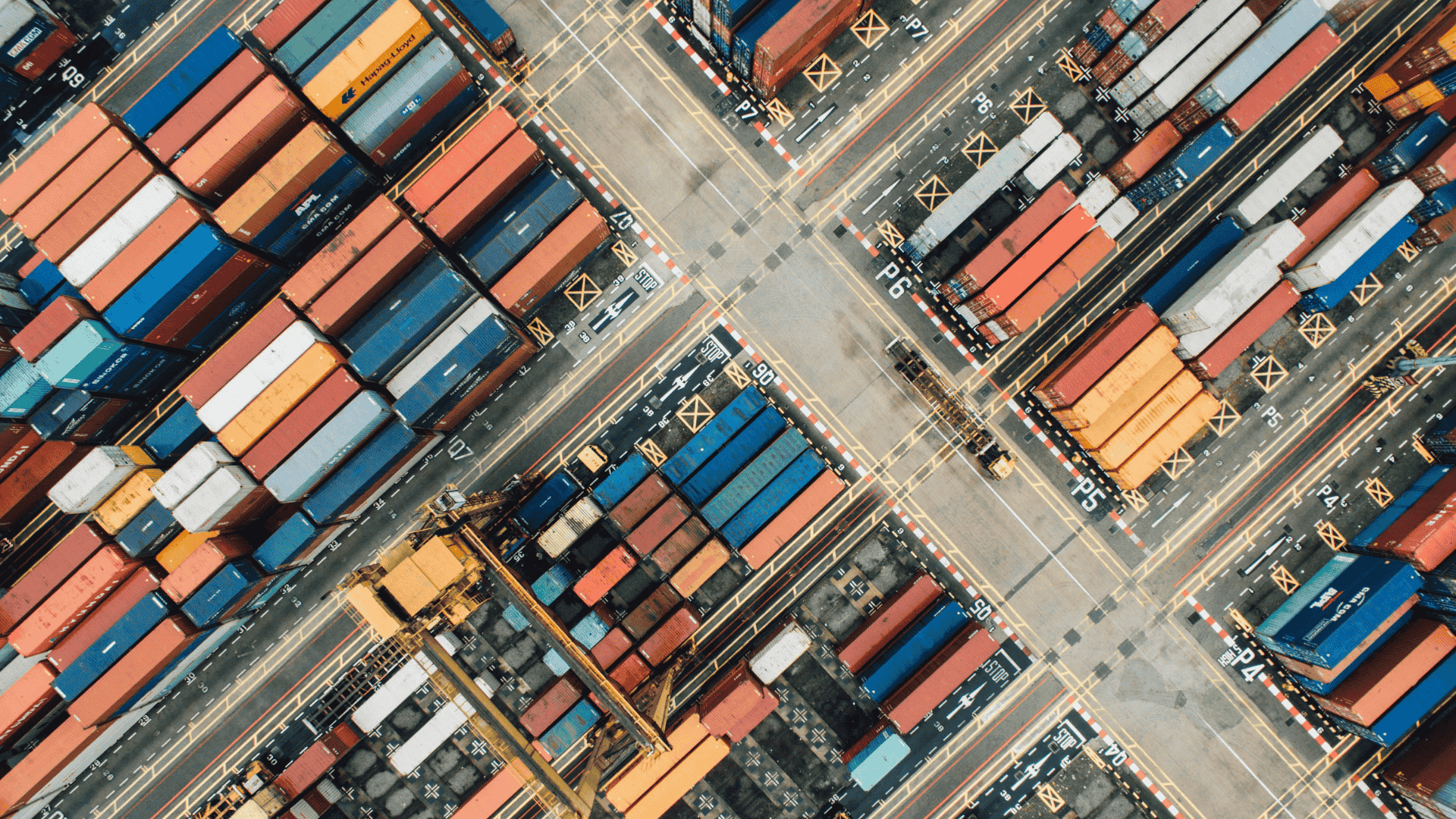

A Strategic Guide to Supply Chain Risk Mitigation Frameworks
In today’s interconnected global marketplace, operational resilience isn’t just a goal, it’s a requirement for long-term success. The complex, cross-continental supply chains that power modern commerce face constant pressure, from geopolitical shifts and trade policy changes to climate disruptions and logistics bottlenecks. For senior executives and procurement leaders, navigating this complexity requires more than reactive problem-solving; it demands a forward-looking, structured approach. This is the core purpose of a robust supply chain risk mitigation framework—a systematic methodology for identifying, assessing, and neutralizing threats before they can disrupt production, erode margins, or damage customer trust.
At VSG, we approach this challenge from a deeply operational perspective, built on decades of experience managing global manufacturing programs. A truly effective framework is not a static checklist but a dynamic, integrated system that embeds resilience into every node of your supply chain. It transforms risk management from a defensive, cost-centered activity into a strategic enabler of growth and competitive advantage. This guide provides a comprehensive overview of these frameworks, moving from the common points of failure we frequently observe to the strategic principles that define successful implementation. By understanding these dynamics, you can better position your organization to not only withstand uncertainty but to build a more predictable, scalable, and profitable manufacturing ecosystem.
The Anatomy of Supply Chain Vulnerability
Robust risk mitigation frameworks are critical because operational and financial vulnerabilities rarely stay isolated, they cascade across the entire organization. Many businesses, despite recognizing the importance of supply chain stability, inadvertently operate with critical structural weaknesses. These oversights often remain latent until a specific disruption exposes them, leading to significant consequences that could have been anticipated and managed with a more strategic approach. Understanding these common failure scenarios is the first step toward building a truly resilient operational backbone.
A primary point of failure is an incomplete or superficial approach to risk identification. Companies often focus on obvious, tier-one supplier risks while overlooking the deeper, more complex vulnerabilities in their sub-tier supply networks. For example, a large automotive manufacturer may have a strong relationship with its primary component assembler but remain unaware that a critical microchip for that component is single-sourced from a facility in a geopolitically unstable region. When a localized political crisis or a natural disaster halts production at that sub-supplier, the entire assembly line can grind to a halt, leading to delays that will ultimately cause a loss in revenue and damage client relationships.
Another prevalent challenge is an over-reliance on a single supplier or geographic region, often driven by a focus on short-term cost optimization. Consider a medical device company that sources a proprietary sterile polymer exclusively from one factory in Southeast Asia to achieve economies of scale. If that factory experiences a fire, a labor strike, or a sudden change in export regulations, the company faces an immediate and catastrophic supply shortage. The subsequent scramble for an alternative, qualified supplier results in exorbitant expedited shipping fees, costly production halts, and the potential loss of market share to competitors who had the foresight to build redundancy into their sourcing strategy.
Furthermore, insufficient communication and a lack of technological integration create dangerous blind spots. In a fragmented system, information flows are slow and disjointed. A food and beverage company, for instance, might lack real-time visibility into a supplier’s quality control data. When a contamination issue arises at the source, the delay in communication means tainted ingredients may already be in transit or, worse, integrated into finished products. The result is a costly, brand-damaging recall, regulatory penalties, and a severe breach of consumer trust. These scenarios underscore that a supply chain is only as strong as its weakest link, and without a comprehensive framework, those weak links often go unnoticed until it's too late.
TL;DR – Quick Takeaways
- Incomplete Risk Assessment is a Primary Failure: Many companies focus only on immediate suppliers, ignoring deeper vulnerabilities in their sub-tier network, which can lead to unexpected, catastrophic disruptions.
- Supplier Diversification is Non-Negotiable: Over-reliance on a single supplier or geographic region for cost savings creates extreme fragility, exposing operations to localized events that can halt global production.
- Technology and Collaboration are Essential: A lack of real-time data visibility and poor communication between partners creates dangerous blind spots, preventing proactive responses to quality, logistics, and inventory challenges.
How Does a Potential Manufacturer Measure Up?
Choosing a manufacturing partner in Vietnam requires more than comparing capabilities and costs. Use VSG’s free Manufacturer Scorecard to evaluate prospective suppliers across the factors that can affect quality, reliability, and long-term supply chain performance.
Developing a Framework for Operational Resilience
Building a supply chain that can withstand and adapt to disruption requires moving beyond isolated tactics and embracing a holistic, strategic framework. The difference between a fragile supply chain and a resilient one lies not in avoiding risk entirely—an impossible task in a global economy—but in creating systems that provide visibility, flexibility, and control. A successful framework is built on a foundation of deep operational intelligence and a commitment to proactive, rather than reactive, management. It is a methodical process of embedding risk awareness and contingency planning into the DNA of your sourcing and manufacturing operations.
The initial and most critical phase is a comprehensive, multi-tier risk assessment. This goes far beyond a simple supplier scorecard. It involves mapping your entire supply network, including the crucial second and third-tier suppliers who provide raw materials and sub-components. For each node, a variety of risk categories must be analyzed: geopolitical stability, climate and natural disaster exposure, financial health of the supplier, labor practices, regulatory compliance, and logistical infrastructure. This deep analysis allows you to pinpoint hidden concentrations of risk. You might discover, for instance, that three of your key, non-competing suppliers all rely on the same single-source provider for a specialized raw material, creating a shared point of failure you were previously unaware of.
With a clear map of vulnerabilities, the next principle is strategic diversification and planned redundancy. This is not simply about having a backup supplier; it's about intelligently structuring your sourcing to balance cost efficiency with resilience. This could mean a "China+1" strategy to mitigate single-country risk, qualifying a secondary supplier in a different region to handle a percentage of your volume, or maintaining a strategic buffer of critical inventory for long-lead-time components. As noted in research on supply chain resilience by McKinsey & Company, companies that had already invested in diversifying their supply networks were better able to navigate the disruptions of recent years. The goal is to design a network that can absorb a shock in one area by flexing capacity in another, ensuring continuity of production.
Finally, a modern risk mitigation framework is powered by technology and grounded in collaboration. Investing in platforms that provide real-time visibility into inventory levels, production status, and in-transit shipments is no longer a luxury but a necessity. This data integration, when shared across your network, allows for faster, more informed decision-making. When a port strike delays a critical shipment, an integrated system can automatically flag the issue, allowing your team to immediately assess the impact on production schedules and activate a pre-planned contingency, such as rerouting through an alternative port or air-freighting a smaller batch of essential components. This level of agility transforms a potential crisis into a manageable operational event.

Key Qualities of an Effective Mitigation Framework
When evaluating or building a supply chain risk mitigation framework, certain characteristics are non-negotiable. These qualities distinguish a purely theoretical plan from a practical, operational system that delivers tangible results in stability, cost control, and scalability.
- Proactive and Continuous Risk Auditing
- Multi-Tier Supplier Visibility and Mapping
- Dynamic Scenario Planning and Stress Testing
- An Integrated and Data-Driven Technology Stack
https://valuesourceglobal.com/manufacturing-partner — Building resilient and scalable supply chains through strategic global sourcing and operational excellence.
Proactive and Continuous Risk Auditing
A static risk assessment becomes outdated the moment it's completed. An effective framework operates on a principle of continuous monitoring. This involves actively tracking a wide range of indicators, from the financial health of key suppliers to evolving trade regulations and regional political climates. Rather than waiting for a disruption to occur, this approach seeks to identify leading indicators of potential problems. For example, monitoring local news and financial reports in a key sourcing region might provide an early warning of an impending labor dispute, giving you time to build up safety stock or activate a secondary supplier before production is impacted.
Multi-Tier Supplier Visibility and Mapping
True supply chain resilience requires visibility beyond your direct, tier-one suppliers. A best-in-class framework includes a comprehensive mapping of the entire value chain, identifying critical sub-tier suppliers of raw materials, specialized components, and essential services. This deep visibility uncovers hidden dependencies and concentrated risks. Knowing that several of your primary suppliers rely on a single sub-contractor for a critical finishing process, for example, allows you to work with them to qualify an alternative or develop a shared contingency plan, insulating your entire product line from a single point of failure.
Dynamic Scenario Planning and Stress Testing
It's not enough to simply identify risks; a robust framework involves actively planning for them. This means developing detailed, actionable contingency plans for a range of high-probability scenarios. What is the plan if a primary port becomes unusable for two weeks? What is the protocol if a key supplier suffers a major quality failure? These plans should be "stress-tested" through tabletop exercises and simulations to ensure they are practical and that all stakeholders understand their roles. This preparation ensures a swift, coordinated, and effective response during a real crisis, minimizing downtime and financial impact.
An Integrated and Data-Driven Technology Stack
Modern resilience is built on a foundation of data. An effective framework leverages an integrated technology stack that provides a single source of truth for inventory, logistics, and production data across the supply network. This enables real-time visibility and predictive analytics. By using AI and machine learning tools to analyze historical data and current trends, companies can more accurately forecast demand, optimize inventory levels, and even predict potential disruptions before they happen. This transforms risk management from a gut-feel exercise into a data-driven strategic function.
The VSG Approach: From Framework to Operational Reality
At Value Source Global, we translate the strategic principles of supply chain risk mitigation into tangible, on-the-ground operational systems. Our approach is not just advisory; it is an active partnership where we embed our decades of global sourcing and manufacturing expertise directly into our clients' operations. We understand that a framework on paper is useless without the disciplined execution, established supplier relationships, and real-world experience required to make it effective. Our methodology is designed to build resilience that is both durable and commercially viable, aligning risk management with your core business objectives of cost efficiency, quality assurance, and scalable growth.
Our process begins with a comprehensive diagnostic of your existing supply chain, going deep into your supplier network to map dependencies and identify the hidden vulnerabilities that often go undetected. We don't rely on client-provided data alone; our global teams conduct on-site audits and leverage our extensive regional intelligence to build a true picture of your operational landscape. This allows us to develop a customized risk mitigation framework that is tailored specifically to your products, markets, and strategic goals. We then move from strategy to implementation, working alongside your team to qualify new suppliers, establish redundant manufacturing capabilities, and implement the systems needed for enhanced visibility and control.
The VSG difference lies in our execution. Our expertise is not theoretical; it’s rooted in having managed complex manufacturing programs through countless market cycles and global disruptions. When we recommend diversifying your sourcing to a new region, we bring a pre-vetted network of reliable manufacturing partners to the table. When we implement a quality assurance protocol, it is based on proven systems that we manage directly with our in-country quality engineering teams. This hands-on, operational approach reduces the risk, time, and cost associated with building a more resilient supply chain. By partnering with VSG, you gain more than a strategy; you gain a dedicated team committed to ensuring your manufacturing operations are a source of competitive advantage, not a source of risk
- Strategic Sourcing: Access our vetted global network of suppliers to reduce single-source dependency and improve cost efficiency.
- Quality Assurance: Implement rigorous, on-the-ground quality control systems to prevent defects and ensure product consistency.
- Risk Mitigation: Proactively identify and neutralize supply chain risks through expert analysis and strategic diversification.
What Our Partners Say
"Working with VSG fundamentally changed our approach to global sourcing. Their team didn't just find us new suppliers; they built a resilient, multi-regional framework that insulated us from recent tariff volatility and port delays. Our production stability has never been higher, and we now have the confidence to scale our business knowing our supply chain is a strength, not a liability."
— Director of Operations, Industrial Equipment Manufacturer
Transforming Risk into Strategic Advantage
In the final analysis, a supply chain risk mitigation framework is not an insurance policy to be filed away; it is a dynamic and essential component of modern business strategy. The shift from a reactive, crisis-management mindset to a proactive, resilience-building approach is what separates industry leaders from the rest. By systematically identifying vulnerabilities, strategically diversifying supplier networks, and leveraging technology for greater visibility, organizations can protect themselves from the financial and reputational damage of disruptions. More importantly, they can build a supply chain that is not only stable and reliable, but also agile and responsive enough to capitalize on new market opportunities.
This journey from fragility to resilience requires a combination of strategic foresight, deep operational expertise, and unwavering commitment to execution. It involves making deliberate choices that prioritize long-term stability over short-term cost-cutting and viewing suppliers as strategic partners in a shared ecosystem. At VSG, our purpose is to serve as that experienced partner, providing the systems, intelligence, and hands-on support necessary to turn risk mitigation from a complex challenge into a sustainable competitive advantage. By entrusting this critical function to a team with a proven track record, you empower your organization to focus on innovation and growth, confident that its operational foundation is secure, scalable, and built for the future.
Put Your Supplier Due Diligence into Practice
The right manufacturing partner can strengthen your supply chain. The wrong one can introduce costly quality, compliance, and delivery risks. Download VSG’s free Manufacturer Scorecard to assess potential Asian suppliers using the same due diligence framework our team applies to every order and client engagement.
[Get the Manufacturer Scorecard]
Frequently Asked Questions
What is a supply chain risk mitigation framework?
A supply chain risk mitigation framework is a structured and systematic approach that a business uses to identify, assess, prioritize, and manage potential threats and disruptions to its supply chain. It involves creating processes, strategies, and contingency plans to minimize the impact of risks such as supplier failure, logistical delays, natural disasters, and geopolitical events, thereby ensuring operational continuity and resilience.
What are the most common types of supply chain risks?
Common supply chain risks can be categorized into several groups. These include supplier risks (e.g., bankruptcy, quality issues, single-sourcing), logistical risks (e.g., transportation delays, port congestion, customs issues), geopolitical risks (e.g., tariffs, trade wars, political instability), environmental risks (e.g., natural disasters, climate change), and demand-side risks (e.g., sudden shifts in customer demand, inaccurate forecasting).
How can technology improve supply chain risk management?
Technology plays a crucial role by enhancing visibility, communication, and predictive capabilities. Tools like real-time tracking, IoT sensors, and control tower platforms provide live data on inventory and shipments. Advanced analytics and AI can analyze this data to identify patterns, predict potential disruptions, and model the impact of different scenarios, allowing companies to make faster, more informed decisions and manage risks proactively.
Why is supplier diversification so important for risk mitigation?
Supplier diversification, which involves sourcing critical components or materials from multiple suppliers or geographic regions, is a cornerstone of risk mitigation. It reduces dependency on a single point of failure. If one supplier or region is affected by a disruption—be it a factory fire, a political crisis, or a natural disaster—a diversified company can shift production or sourcing to its alternative partners, ensuring continuity of supply and minimizing operational downtime.
Check out our other blog for more information: Global Strategic Sourcing: A Guide