
How Are Current China Tariffs Affecting Importers and Manufacturers?
Discover how current China tariffs impact importers and manufacturers. Learn operational strategies to mitigate risks and protect your supply chain margins.
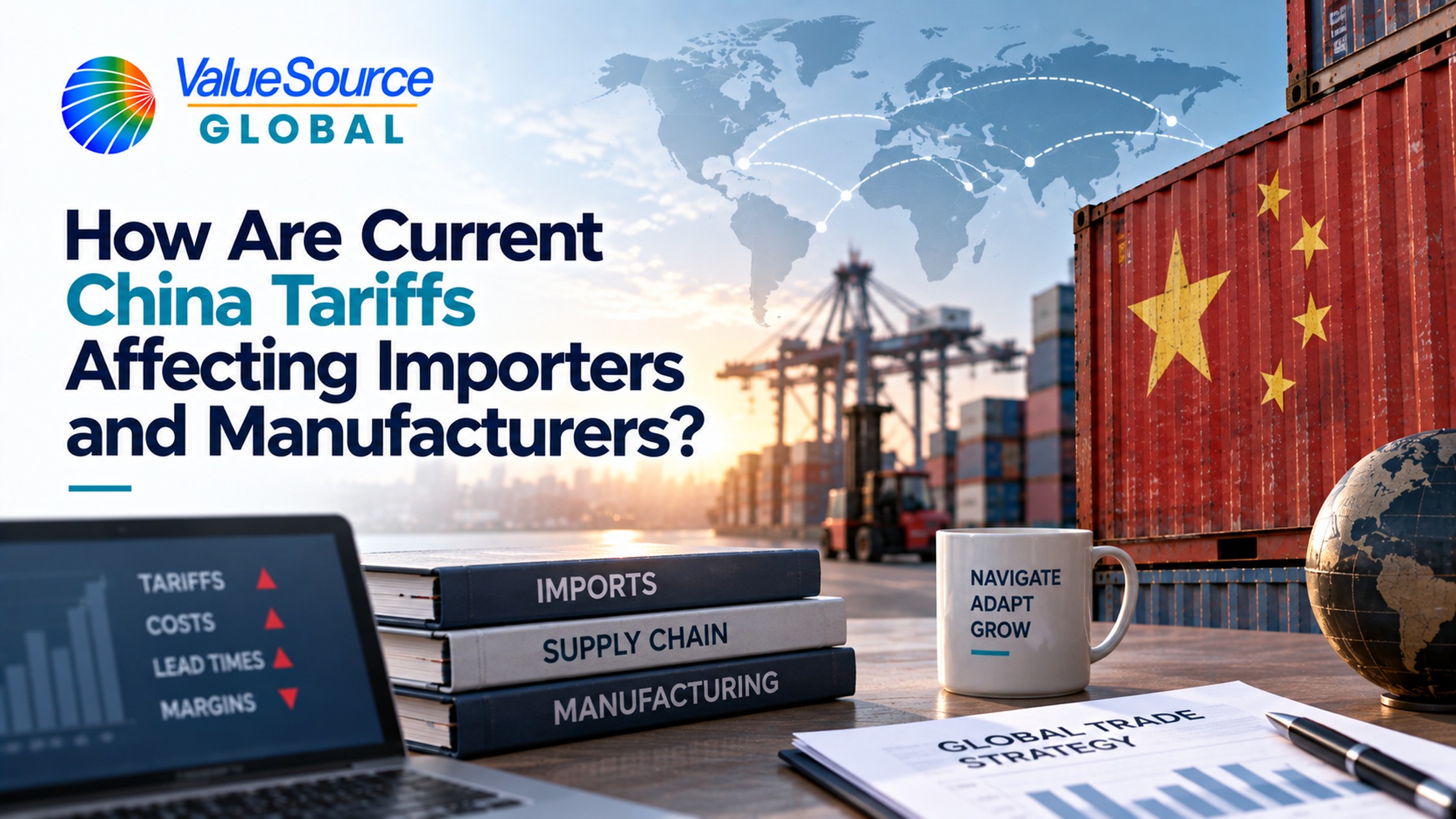

In today's rapidly evolving global market, understanding the intricacies of international trade is an absolute necessity for survival. Executive leaders and procurement officers constantly ask how current China tariffs are affecting importers and manufacturers, and the answer goes far beyond simple tax increases. These international levies represent a fundamental shift in how goods are produced, priced, and distributed around the world. The recent shifts in international trade policies have created significant hurdles for businesses of all sizes, fundamentally reshaping the landscape of production costs and long term supply chain strategies. Businesses are actively seeking clear strategies to navigate these changes effectively, underscoring the vital need for insightful guidance and adaptive operational solutions.
When you are managing a complex supply chain, sudden cost increases disrupt carefully planned budgets and pricing models. Tariffs introduce friction into the procurement cycle, forcing operations teams to reevaluate their supplier networks and risk management frameworks. We recognize the profound impact these duties have on your business's bottom line and overall operational efficiency. Taking a passive approach is no longer an option. Success requires a proactive stance, a deep understanding of total landed costs, and a willingness to explore alternative sourcing hubs.
Solving the complexities posed by current trade regulations requires precision and a highly nuanced understanding of both local manufacturing capabilities and international marketplaces. Navigating this terrain with care and expertise is paramount for sustaining profitability and driving future growth. By aligning with experienced advisors, you can transform these regulatory challenges into opportunities for supply chain optimization.
TL;DR – Quick Takeaways
- Tariffs directly erode profit margins unless companies actively optimize their total landed costs and diversify their global supplier base.
- A resilient supply chain requires strong compliance expertise and a strategic shift away from single country sourcing dependencies.
- Partnering with an experienced manufacturing advisor ensures operational stability and protects your business from geopolitical volatility.
What Are The Strategic Implications For Your Supply Chain?
The imposition of duties on imported goods continues to exert immense pressure on businesses across a wide myriad of industrial sectors. These financial levies, initially intended to recalibrate international trade imbalances, have inadvertently introduced a host of complex operational hurdles. They directly affect workflow efficiency, financial stability, and corporate growth trajectories. Understanding these specific implications is completely crucial for businesses striving to navigate an increasingly unpredictable global landscape.
One of the most immediate realities businesses face is severe supply chain friction. Companies highly reliant on overseas components must grapple with sudden cost inflations that can disrupt production schedules and delay time to market. For instance, a consumer electronics brand depending entirely on specific imported microchips might face a sudden twenty five percent increase in component costs. If the brand fails to anticipate these pricing disruptions, it risks losing its competitive advantage and surrendering market share to more agile competitors who have already diversified their sourcing networks. The entire procurement timeline becomes strained when border costs fluctuate unpredictably.
Financial strain is the most visible consequence of these policy shifts. The immediate impact of a tariff is an undeniable increase in import costs, which eventually must be absorbed by the business or passed down to the end consumer. A retail company experiencing a steep tariff on imported textiles may find that mandatory retail price hikes lead to dwindling sales volumes. Consumers are highly sensitive to price changes and will often shift their loyalty to less expensive alternatives. Small profit margins are squeezed even further, potentially leading to cash flow crises if the situation is not managed proactively.
A notable pitfall for many organizations is inadequate strategic realignment. Companies that underestimate the long term persistence of these trade policies often fail to diversify their supply chains quickly enough. They find themselves outpaced by competitors who adopted a more flexible approach. If an industrial importer does not actively explore alternative sourcing from regions unaffected by these duties, that company will struggle to maintain its historical profitability. Furthermore, with tariffs eating directly into profits, many leadership teams are forced to reallocate capital from critical growth initiatives just to ensure operational survival. A technology startup planning to expand its services internationally might need to divert essential capital to cover heightened freight and import taxes, stalling their growth entirely.
How Can Manufacturers Build A Resilient Response?
The economic pressures imposed by international trade policies require a sophisticated and calculated response. The problem is often exacerbated by broader uncertainties in the geopolitical landscape, where regulations can shift suddenly with changes in administration. This unpredictability leaves many procurement teams in a constant state of flux. However, successful companies do not simply wait for market conditions to stabilize. They actively reconstruct their operations to mitigate risk and protect their margins.
Successful navigation of international trade barriers begins with a comprehensive impact analysis. Procurement leaders must understand both the direct and indirect effects of tariffs on their raw material costs, pricing strategies, and logistics operations. This process involves analyzing specific tariff codes and recalculating the total landed cost for every single product line. By having a clear picture of exactly how much a product costs from the factory floor to the final warehouse, executives can make informed decisions about where to trim expenses. According to the Office of the United States Trade Representative, staying updated on official trade classifications is a mandatory step for any business importing goods at scale.
Another critical step involves revising supplier contracts. Agile organizations sit down with their factory partners to renegotiate terms and share the financial burden of increased shipping costs. This collaborative approach might involve seeking temporary price concessions, securing lower base pricing in exchange for higher volume commitments, or establishing more favorable payment terms. When a factory understands that high tariffs might force a client to leave, they are often willing to adjust their margins to retain the long term partnership.
Supply chain diversification remains the gold standard for risk mitigation. The concept of a China Plus One strategy has gained massive traction for a very good reason. Importers and manufacturers that expand their supplier base into alternative regions immediately create a buffer against sudden policy changes. Moving subassemblies or final packaging to tariff free regions allows a company to legally alter the country of origin, drastically reducing their tax burden. This requires significant operational oversight, but the financial protections are undeniable.
Key Qualities to Look For In A Strategic Partner
When restructuring your global operations, selecting the right advisory team is the most critical decision you will make. You need a partner who understands the realities of factory floors and international freight. Here are the defining qualities of an elite manufacturing partner.
- Global Sourcing Footprint ensures access to multiple manufacturing regions.
- Operational Transparency guarantees clear visibility into factory conditions and pricing.
- Compliance Expertise protects your shipments from customs delays and penalties.
- Strategic Alignment means the partner prioritizes your long term corporate goals.
- Cost Optimization Capabilities drive total landed cost reductions across the board.
https://valuesourceglobal.com/manufacturing-partner Elevate your supply chain resilience with comprehensive sourcing expertise.
Global Sourcing Footprint
A capable partner brings an established network of vetted factories across multiple continents. This geographical diversity allows your business to pivot quickly if trade policies negatively impact a specific country. Instead of starting from scratch in a new region, you plug directly into an existing infrastructure that has already passed rigorous quality audits.
Operational Transparency
Trust is built on visibility. You should expect complete transparency regarding factory conditions, labor practices, and precise cost breakdowns. A strategic partner acts as an extension of your own procurement team, providing honest assessments of lead times and potential production risks before they escalate into costly delays.
Compliance Expertise
International trade law is incredibly complex and constantly changing. Navigating the Harmonized Tariff Schedule requires specialized knowledge. A qualified partner employs compliance experts who ensure every shipment is classified correctly, minimizing the risk of customs seizures, audits, or unexpected financial penalties at the border.
Strategic Alignment
Your manufacturing advisor must care about your business outcomes, not just their commission. Strategic alignment means they actively look for ways to improve your product quality while reducing overall costs. They treat your capital as if it were their own, proposing engineering changes or alternative materials that bypass tariff categories entirely.
Cost Optimization Capabilities
Beyond simply finding a cheaper factory, true cost optimization involves streamlining the entire production lifecycle. This includes optimizing packaging for freight efficiency, consolidating shipments to lower container costs, and implementing lean manufacturing principles on the factory floor to eliminate waste.
Despite the severe economic pressures currently facing the market, many businesses fail to adapt effectively due to several common strategic errors. The most prevalent mistake is adopting a wait and see approach. Companies often delay taking action until their profit margins are critically damaged. This reactive stance leads to missed opportunities for vital cost saving adjustments. Additionally, failing to communicate clearly and promptly with current suppliers can escalate tensions and lead to unfulfilled contracts.
To effectively manage the implications of these trade barriers, organizations must leverage technology and expert consultation. Utilizing supply chain management software ensures efficient tracking and optimization of all logistics operations. Advanced data analytics can aid in predictive modeling and scenario planning, offering a massive competitive edge in a volatile market. Fostering a corporate culture of agility encourages adaptive thinking, empowering your team to redesign product lines or invest in new global production capabilities.
Optimizing Your Global Operations With Value Source Global
The landscape of international trade is perpetually shifting. Current tariffs have complicated the operational playbooks for countless businesses. However, Value Source Global steps in as your highly experienced manufacturing partner, providing the strategic framework required to navigate these nuances smoothly. We do not just react to market changes; we anticipate them and structure your operations for maximum resilience.
At Value Source Global, our methodology revolves around a deep understanding of manufacturing realities, economic trends, and practical supply chain strategies. We pride ourselves on a structured approach tailored to mitigate the exact challenges your business faces today. By leveraging our decades of industry expertise, we design and execute plans that align perfectly with your executive goals. We position ourselves as an embedded advisor dedicated to your long term growth.
Recommended Product: https://valuesourceglobal.com/manufacturing-partner
Secure Your Supply Chain Today
- Global Network Access: Seamlessly transition to vetted factories in tariff friendly regions.
- Total Cost Reduction: Optimize every stage of production from raw materials to final freight.
- Quality Assurance: Maintain strict compliance and product integrity across all global facilities.
Partnering with Value Source Global offers benefits that extend far beyond simple tariff management. By effectively managing your supplier relationships and optimizing logistics, we help you save substantial capital. This custom operational architecture not only protects your current profit margins but significantly enhances your overall competitive positioning in the global market. You gain the peace of mind that comes from knowing a dedicated team of supply chain veterans is actively guarding your interests.
What Industry Leaders Say About Strategic Partnerships
When operations executives face unprecedented supply chain disruptions, having a reliable advisor makes all the difference. As one procurement director recently noted, transitioning production away from high tariff regions seemed like an impossible logistical nightmare until they partnered with a firm that actually understood the local factory ecosystems. By relying on experienced professionals to handle quality audits and compliance documentation, companies are able to maintain their focus on domestic sales and marketing. The transition becomes a strategic upgrade rather than a forced compromise.
Leaders across the manufacturing sector consistently echo this sentiment. They emphasize that navigating international trade regulations requires more than just a passing familiarity with customs codes; it requires deep operational intelligence. Organizations that try to manage these transitions alone often face catastrophic delays. Conversely, those who embed seasoned advisors into their planning process experience smoother transitions, better pricing, and greatly improved product consistency.
Charting A Path Forward For Your Organization
Addressing the challenges of global tariffs effectively is incredibly crucial to maintaining the performance and integrity of your operations. The complexities involved demand an approach grounded in genuine expertise and precise execution. These are the exact qualities that Value Source Global embodies every single day. With years of hands-on experience and a proven track record of optimizing supply chains, we are fully equipped to navigate the intricacies of the modern manufacturing landscape.
By entrusting your supply chain optimization to our skilled professionals, you are making a strategic decision backed by real authority. We deeply understand the nuances of your specific industry requirements. We are fiercely committed to providing operational solutions that not only resolve your immediate pricing concerns but also construct a foundation for scalable, long term success. We implement industry best practices tailored directly to your situation.
Choosing Value Source Global as your next logical step symbolizes a strong commitment to quality and corporate reliability. Our approach is designed to instill absolute confidence, allowing your executive team to focus on core business activities without the exhausting overhead of international technical uncertainties. Experience the profound peace of mind that comes when true professionals manage your global requirements with precision, transparency, and relentless attention to detail.
Frequently Asked Questions
What is the most immediate impact of new international tariffs?
The most immediate impact is a sharp increase in total landed costs. This forces businesses to either absorb the financial hit, which drastically lowers profit margins, or pass the increased costs onto consumers, which can negatively affect sales volume and market share.
How does a China Plus One strategy help mitigate these costs?
A China Plus One strategy involves diversifying your manufacturing base by adding secondary facilities in countries not subject to the same tariffs. This allows a business to maintain production volume while legally altering the country of origin, thereby avoiding the heavy duties imposed on goods coming exclusively from one region.
Why is total landed cost calculation so important during a trade dispute?
Total landed cost calculation provides a completely accurate picture of what a product actually costs once it arrives at your warehouse. It includes the factory price, freight, insurance, and all applicable tariffs. Understanding this exact figure is necessary for executives to make informed decisions about pricing adjustments and supplier relocation.
Can Value Source Global help renegotiate terms with my current factories?
Yes. Value Source Global utilizes decades of sourcing experience to help clients navigate difficult conversations with existing suppliers. We often find pathways to share the financial burden of new tariffs, securing better base pricing or more favorable payment terms to protect your working capital.
What role does compliance play in managing international supply chains?
Compliance ensures that all imported goods are correctly classified under the Harmonized Tariff Schedule. Proper classification prevents costly customs delays, avoids legal penalties, and ensures you are not paying higher tariff rates than absolutely legally required.
For additional information check out: Supply Chain Resilience Strategies