
Global Supply Chain Risk Management: Building a Resilient, Competitive Enterprise
Learn how strategic global supply chain risk management builds enterprise resilience through diversification, multi-tier visibility, and frameworks that protect margins long-term.

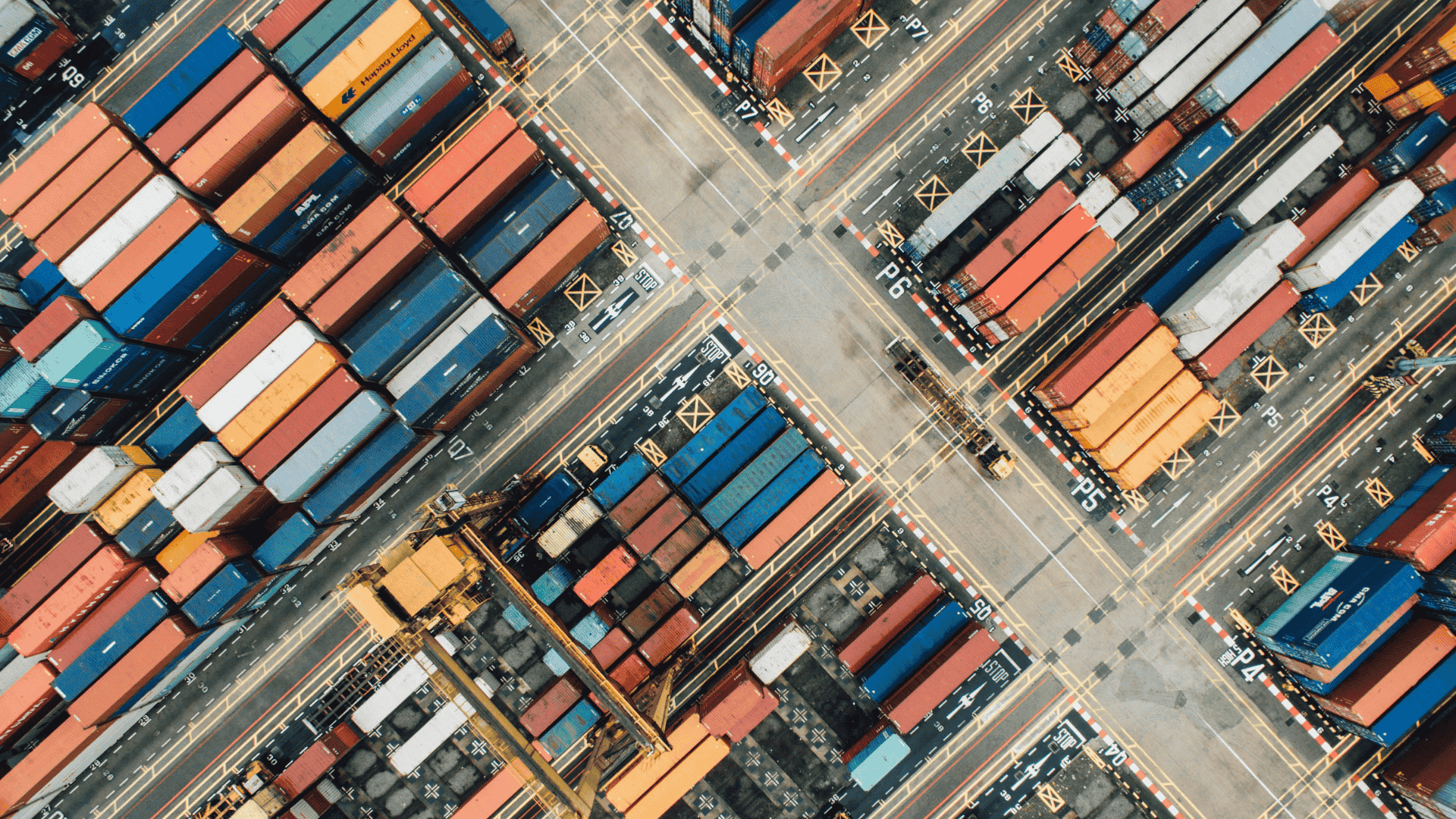

In the fast-paced and unpredictable world of global commerce, effective global supply chain risk management has evolved from a back-office compliance task into a critical mandate for executive leadership. Navigating the complexities of today’s interconnected markets requires far more than basic logistical oversight; it demands deep operational insight, strategic foresight, and an adaptable framework capable of absorbing macroeconomic shocks. Supply chains are no longer just cost centers—they're the very foundation of a company's competitive advantage and long-term viability.
Over the last decade, the global manufacturing landscape has faced a relentless series of pressure tests. We've seen how sudden geopolitical shifts, unpredictable natural disasters, and systemic logistical failures can instantly paralyze production lines on the other side of the world. For procurement leaders and operations executives, the mandate is clear: you can't simply hope for stability. You have to engineer it. Understanding the multidimensional nature of these vulnerabilities is the first step toward transforming supply chain fragility into robust operational resilience.
At Value Source Global (VSG), our experience isn't built on theory. It's built on decades of hands-on sourcing, managing factory floors, and leading complex global supply chains through periods of intense volatility. We understand the precise pain points executives face when they realize their manufacturing costs keep rising or their operations are too dependent on a single supplier. By shifting from a reactive posture to a proactive global supply chain risk management strategy, businesses can protect their margins, ensure consistent quality, and secure the reliable product flow required for sustainable growth.
The Current State of Manufacturing Vulnerabilities
Today's interconnected global supply chains are marvels of efficiency, designed to optimize costs and streamline production across multiple borders. However, this hyper-efficiency has introduced profound fragility. When operations are stretched across diverse geographies, relying on just-in-time inventory models and single-source suppliers, the margin for error effectively disappears. A localized disruption in one region can rapidly trigger a cascading failure that halts global production, delays shipments, and ultimately damages your bottom line and customer trust.
Consider the myriad of risks that regularly threaten operational continuity. Natural disasters, for instance, remain one of the most unpredictable yet devastating variables. The 2011 earthquake and tsunami in Japan provided a stark operational lesson for the world. Companies that had heavily centralized their production or relied exclusively on Japanese tier-2 and tier-3 suppliers faced catastrophic delivery delays. They were forced to halt production not because their primary factories failed, but because essential, highly specific components simply weren't available anywhere else. This highlighted an immediate need for geographic diversification in sourcing.
Beyond natural events, geopolitical tensions represent a constant, evolving threat to supply chain stability. Shifting trade policies, sudden tariff implementations, and regional sanctions can completely alter the cost viability of a manufacturing strategy overnight. During recent trade disputes and the implementation of heavy tariffs, organizations that failed to anticipate these regulatory shifts found their profit margins instantly erased. They were forced into expensive, urgent scrambles to relocate their supplier base, often settling for unvetted partners and sacrificing quality just to maintain production output.
Furthermore, supplier financial instability and cybersecurity threats are increasingly paralyzing modern manufacturing networks. If a key supplier faces bankruptcy or a severe cash flow crisis, your production lines stop—period. During global economic downturns, numerous sub-tier suppliers often quietly collapse, leaving original equipment manufacturers (OEMs) stranded. Similarly, the digital era has introduced unprecedented cyber vulnerabilities. A breach in a critical logistics provider's network, such as the NotPetya malware attack that crippled global shipping giant Maersk, can cause billions in collective damages and weeks of operational paralysis. The reality for procurement leaders is harsh: you aren't just managing your own risks; you're inheriting the localized risks of every single vendor in your network.
These disruptions underscore why procurement leaders frequently echo concerns like, "We need more reliable suppliers," or "We need visibility into our supply chain." When these risks are mismanaged, the ramifications go far beyond temporary delays. Poor risk management damages long-term market reputation, alienates major clients, and destroys shareholder value. For companies serious about scalability, identifying vulnerabilities before they impact operations isn't optional—it's an operational imperative.
TL;DR – Quick Takeaways
- Visibility is non-negotiable: Proactive risk identification across tier-1, tier-2, and tier-3 suppliers prevents localized disruptions from causing catastrophic global failures.
- Diversification drives resilience: Strategic geographic distribution of your manufacturing base mitigates the impact of geopolitical tensions, natural disasters, and logistical bottlenecks.
- Partnership outweighs procurement: Embedding an experienced global sourcing advisor into your operations ensures rigorous quality control, continuous supplier auditing, and sustainable, long-term cost optimization.
Architecting a Resilient Operational Framework
Recognizing the vulnerabilities inherent in a global supply network is only the first step. The true test of operational leadership lies in architecting a risk management framework that actively neutralizes these threats without destroying profit margins. Successful global supply chain risk management hinges on comprehensive vulnerability auditing, strategic foresight, and an agile infrastructure capable of pivoting when standard operating procedures fail. It requires a shift away from transactional vendor management toward holistic, data-driven operational control.
The foundation of this architecture is comprehensive risk assessment. Businesses frequently make the critical error of focusing entirely on immediate, visible threats—like their direct tier-1 suppliers—while remaining completely blind to the sub-tier suppliers that actually source the raw materials. If your primary plastics manufacturer is reliable, but their sole resin supplier goes out of business, your production is still fundamentally broken. As noted by the Association for Supply Chain Management (ASCM), true resilience requires mapping the supply chain deeply enough to uncover hidden dependencies, allowing teams to prioritize risks based on probability, financial impact, and time-to-recovery.
Another fundamental pillar is supply base diversification, commonly operationalized through strategies like the "China Plus One" model. Over-reliance on a single geographic region creates massive bottlenecks during localized crises. By qualifying secondary suppliers in alternative countries—such as Vietnam, Mexico, or India—businesses create crucial redundancy. While establishing this redundancy requires upfront investment and rigorous onboarding, it acts as an operational insurance policy. When tariffs spike or a port shuts down in your primary region, you can seamlessly shift production volumes to your secondary nodes without missing a delivery cycle.
Key Qualities of a Resilient Supply Chain Strategy
- End-to-End Operational Visibility
- Strategic Geographic Diversification
- Scalable Production Agility
- Stringent, Embedded Quality Assurance
- Proactive Crisis Management Protocols
Mitigate risk and secure long-term operational stability with expert global sourcing partnerships.
End-to-End Operational Visibility
You can't manage what you can't see. Operational visibility means maintaining a clear, real-time understanding of your entire supplier ecosystem, inventory levels, and logistics pipelines. This involves regular factory audits, continuous performance monitoring, and clear communication channels with floor managers. When an executive has true visibility, they aren't surprised by lead time extensions; they see the warning signs weeks in advance and implement countermeasures before the client is ever impacted.
Strategic Geographic Diversification
As we've discussed, single-source dependencies are the Achilles' heel of modern manufacturing. Strategic diversification doesn't mean spreading production so thin that you lose economies of scale; it means intentionally qualifying backup facilities in distinct geographic and political environments. This ensures that a localized disruption—be it a typhoon, a localized energy grid failure, or a sudden labor strike—doesn't paralyze your total output.
Scalable Production Agility
Agility is the operational capacity to scale production up or down in response to volatile market demands without incurring crippling costs. A resilient framework utilizes flexible manufacturing contracts and adaptable tooling that allow businesses to pivot rapidly. When demand spikes unexpectedly, agile supply networks can leverage pre-vetted secondary capacity to meet the surge, preventing stockouts and capitalizing on market opportunities.
Stringent, Embedded Quality Assurance
Risk management isn't just about delivery times; it's about product integrity. When companies scramble to replace a failing supplier, quality often plummets. A robust framework embeds stringent quality assurance protocols at the factory level. This means standardizing acceptable quality limits (AQL), conducting regular third-party inspections, and establishing clear defect reporting mechanisms. Consistent quality mitigates the immense financial risks associated with product recalls, returns, and damaged brand equity.
Proactive Crisis Management Protocols
Finally, resilient organizations don't improvise during a disaster. They rely on pre-established crisis management protocols. This involves maintaining strategic buffer stocks of critical components, having pre-negotiated expedited freight agreements, and running operational simulations. When a crisis hits, the team immediately executes the contingency plan, minimizing downtime and maintaining supply chain fluidity.
Ultimately, these strategies represent a shift from reactive firefighting to strategic operational control. Companies that attempt to build this infrastructure entirely in-house often struggle with the sheer global reach required to vet factories, negotiate local contracts, and maintain ongoing physical inspections. Building true resilience requires feet on the ground in the regions where your products are made, which is why aligning your risk mitigation strategies with experienced global manufacturing partners is a critical driver of competitive advantage.
Empowering Operations with Strategic Sourcing Partnerships
In today's volatile global market, attempting to manage complex supply chain risks internally can overextend procurement teams and distract leadership from core business growth. At Value Source Global (VSG), we recognize that you don't just need a list of factories; you need a sophisticated, managed supplier network that guarantees stability, quality, and cost optimization. We position ourselves as an embedded advisor—a true extension of your operations team—capable of executing complex global supply chain risk management strategies from the factory floor to final delivery.
Our approach through the Manufacturing Partner Service is rooted in practical, real-world manufacturing realities. We don't deal in marketing hype; we deal in operational intelligence. When clients approach us saying, "We're looking for a sourcing partner that understands our industry," we answer with a meticulously structured methodology refined over decades of global trade experience.
Transform Supply Chain Risk into Competitive Advantage
Enhance your journeys by partnering with VSG. Easy to use and built to last. Our tailored supply chain strategy can build lasting resilience for your enterprise.
- Vetted Global Network: Gain immediate access to highly qualified, financially stable manufacturing facilities.
- On-the-Ground Quality Assurance: Benefit from rigorous, localized oversight that prevents costly product defects.
- Scalable Production Solutions: Secure flexible manufacturing capacities that adapt seamlessly to your market demands.
By partnering with VSG, you gain the strategic flexibility needed to pivot when geopolitical landscapes shift or logistical bottlenecks occur. We help foster strong, long-term collaborations with reliable factories, ensuring that you receive preferential treatment and prioritized production even during global capacity crunches. Our goal is to empower your business to navigate global sourcing risks with absolute confidence, transforming a complex operational burden into a streamlined driver of corporate growth.
"Partnering with VSG transformed our supply chain from a reactive, vulnerable necessity into a predictable, scalable engine. Their hands-on factory expertise, transparent communication, and proactive risk mitigation strategies saved our operations millions during recent regional disruptions. They don't just find suppliers; they engineer resilience."
— Operations Director, Global Industrial Manufacturer
Securing Your Operational Future
In conclusion, addressing global supply chain risk correctly and efficiently is crucial not only to prevent recurring disruptions but to ensure the optimal, long-term functioning of your business. The global manufacturing environment will not become less complex; geopolitical shifts, environmental regulations, and economic fluctuations will continue to test the unprepared. However, with the right strategic framework, these challenges represent massive opportunities to outmaneuver competitors who remain bogged down in reactive supply chain management.
Our approach at VSG is rooted in decades of practical experience and deep industry expertise, enabling us to deliver supply chain strategies that are sustainable, scalable, and resilient. We pride ourselves on our ability to tackle complex operational challenges with precision, acting as the calm, reliable authority your business needs when navigating global trade. When you choose an embedded manufacturing partner, you're investing in a foundation of knowledge, rigorous systems, and proven methodologies that safeguard your margins.
We understand the intricacies of international sourcing and are dedicated to providing a comprehensive partnership that resolves current bottlenecks while laying the groundwork for robust future expansion. If you are ready to ensure the highest standards of quality, optimize your production costs, and secure a reliable global network you can trust, we're here to guide you every step of the way. Connect with our team to explore how a tailored supply chain strategy can help build lasting resilience and continuity.
Frequently Asked Questions
What is global supply chain risk management?
It is the strategic process of identifying, assessing, and mitigating vulnerabilities across a company's international sourcing and production network. This involves managing risks related to geopolitics, supplier financial health, natural disasters, and logistics to ensure operational continuity.
Why is geographic diversification important in manufacturing?
Relying on a single country or region for manufacturing exposes your business to catastrophic delays if that area experiences political unrest, extreme weather, or trade restrictions. Diversifying your supplier base ensures you have backup production nodes ready to activate during localized crises.
How does VSG ensure product quality when utilizing overseas factories?
VSG embeds strict quality assurance protocols directly at the factory level. We perform rigorous initial facility audits, implement standardized acceptable quality limits (AQL), and utilize on-the-ground inspection teams to verify specifications before any product is shipped.
What makes an embedded sourcing partner different from a traditional broker?
A broker simply connects you with a factory for a single transaction. An embedded partner like VSG acts as an extension of your operations team, managing the entire lifecycle of the supply chain—from strategic planning and supplier vetting to ongoing performance monitoring and risk mitigation.
Learn about our services, including: Metal Component Manufacturer | Outsourced Consumable Parts